Pest Control Services in Warren County for Garages, Sheds, and Barns
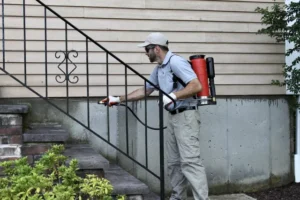
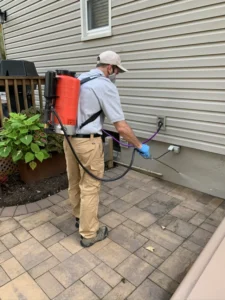
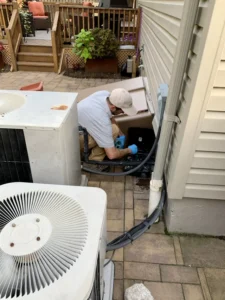
Outbuildings rarely get the same attention as the main house, yet they are often the first place pests settle in. That pattern shows up again and again in Warren County. A garage with a loose bottom seal, a shed with birdseed in a torn bag, a barn with warm loft space and reliable water, each one offers shelter, food, and quiet. Once pests get comfortable there, they do not stay politely contained. Mice move from the barn to the house when temperatures drop. Wasps spread from the shed to the deck and play area. Roaches and ants hitch rides in boxes, feed, and equipment.
That is why Pest Control Services Warren County homeowners and property managers rely on need to account for more than kitchens, basements, and crawl spaces. Garages, sheds, and barns have their own pressure points. They are built differently, used differently, and exposed to weather, clutter, livestock feed, and vehicle traffic in ways the main home usually is not. Treating them well means understanding those differences and addressing them directly.
The work is also more nuanced than many people expect. Spraying the perimeter and calling it done might knock down some surface activity, but it will not solve a rodent population nesting behind stacked plywood, nor will it stop a recurring yellowjacket problem in a barn wall if exterior access points remain open. Good pest control in these structures depends on inspection, sanitation, exclusion, and carefully chosen treatments that match the building and the pest pressure.
Why outbuildings draw pests so quickly
Garages, sheds, and barns check nearly every box pests look for. They are usually darker than living spaces, less frequently disturbed, and full of hiding spots. In Warren County, seasonal weather makes that even more pronounced. Hot, dry stretches drive insects toward moisture. Fall cold sends rodents toward shelter. Wet springs support ant activity, mosquito breeding, and the kind of soft ground conditions that make burrowing easier around foundations and slab edges.
A residential garage often holds pet food, grass seed, cardboard, and stored fabric. Even when it looks clean at a glance, it may have grease residue, crumbs in a second refrigerator, and a gap under the overhead door wide enough for mice. Sheds tend to collect long-term storage. Holiday decorations, bags of potting soil, stacked planters, and old lumber create dozens of narrow voids where spiders, crickets, silverfish, and rodents can stay protected.
Barns bring another layer of complexity. Hay, feed, bedding, water sources, and animal traffic make them naturally attractive to pests. Flies are an obvious issue, but they are not the only one. Rodents thrive around spilled grain. Wasps love rafters and eaves. Birds can establish nesting sites high above stalls and tack rooms, creating sanitation problems and drawing mites and insects with them. Larger structures also tend to have more entry points, which means pest control has to be systematic rather than reactive.
The problems usually start small
Most infestations in outbuildings do not begin with a dramatic moment. They begin with one or two overlooked conditions. A torn screen vent. A door that no longer closes tightly. Feed left in paper sacks. Firewood stacked directly against a wall. By the time activity becomes obvious, the pest population has often had weeks or months to establish itself.
I have seen garages where the first complaint was “a few droppings near the freezer,” and the underlying issue turned out to be a full run of mice using the insulation cavity behind a workbench. In sheds, owners often notice spiders first because webs are visible, but the real driver may be a high insect population created by moisture and poor sealing. In barns, fly pressure may be treated as a normal annoyance when it is actually a sign that manure handling, drainage, or feed storage needs adjustment.
That is where a proper inspection matters. The visible pest is not always the main problem. It is the clue.
Garages need a different approach than living spaces
A garage sits in an in-between category. It is more exposed than the home but more finished than a shed or barn. Because of that, it tends to attract a mix of pests. Mice, rats, ants, spiders, earwigs, centipedes, occasional roaches, and stinging insects all show up with some regularity depending on the property.
Rodent control in garages depends heavily on exclusion. Treatment alone rarely holds if the overhead door seal is worn, side doors are misaligned, or utility penetrations are unsealed. Mice can exploit gaps that seem too small to matter. Once inside, they favor perimeter storage, insulation voids, and protected corners behind appliances. A garage that stores birdseed or dog food creates a much more persistent rodent issue than one used only for vehicles.
Insect problems are often tied to moisture and lighting. Exterior lights attract flying insects, which in turn draw spiders. Floor drains, condensation around refrigerators, and water intrusion along slab edges can support ants, roaches, and occasional invaders that would not survive well in a dry environment. In attached garages, the stakes are higher because the garage can become a transfer point into the house.
The best service plan for a garage usually includes targeted crack and crevice treatment, mechanical exclusion, monitoring for rodent activity, and practical storage corrections. It should also include a realistic conversation about what is being kept there. Pest control works better when cardboard is reduced, food items are sealed in hard containers, and wall edges remain accessible for inspection.
Sheds are small structures with outsized pest pressure
Sheds often look simple, but they create some of the hardest pest control conditions on a property. They are lightly built, rarely climate controlled, and frequently set directly on gravel, skids, or thin slabs with multiple access points. They may also sit close to tree lines, fence lines, and garden beds, which keeps them close to insect harborage.
The interior of a shed typically supports what technicians sometimes call layered harborages. There may be clutter on the floor, shelving packed tightly against walls, and materials stacked to the ceiling. That layout creates shaded, protected zones from top to bottom. Spiders take advantage of the undisturbed corners. Mice work low along the edges and under stored items. Wasps use rafters, soffits, and any gap behind trim. Carpenter ants may move in if there is chronic moisture damage in the sill or wall framing.
Shed treatments also need care because many people store tools, fertilizers, children’s equipment, and garden products there. A heavy-handed application is not the mark of professional work. Better results usually come from a careful inspection, limited targeted treatment, and strong attention to sealing and storage habits. If the shed floor is covered with loose bags, old textiles, and cardboard, no product alone is going to keep pests out for long.
Barn pest control is part building management, part sanitation
Barns demand a broader strategy. Whether the structure houses horses, small livestock, equipment, or hay, pest pressure is shaped by daily operations. A barn can be tidy by farm standards and still have ideal conditions for rodents, flies, and stinging insects if feed, water, and nesting opportunities are abundant.
Rodents are one of the most costly barn pests because they contaminate feed, chew wiring, damage insulation, and reproduce quickly when conditions stay favorable. Rats often stay lower and near food sources, while mice can use upper ledges, walls, and loft areas with surprising ease. In older barns, gaps around sliding doors, warped siding, and broken masonry joints create an almost continuous network of entry points.
Flies require a different lens. Their breeding pressure is tied to moisture, manure handling, drainage, and decaying organic matter. Even a well-kept horse barn can struggle if wet bedding accumulates too long or if runoff creates chronically damp areas outside entrances. Then there are wasps and hornets. Barn eaves, cupolas, trusses, and overhangs are nearly perfect nesting sites because they are protected from weather and often beyond casual reach.
Professional barn service often works best when it is integrated with routine maintenance. That means discussing feed storage, cleaning cycles, bird exclusion, stall drainage, and structural repairs alongside treatment options. Barn owners usually appreciate plain advice here. If spilled grain is left overnight every day, any claim of “complete elimination” is unrealistic. The goal is meaningful control, reduced pressure, safer working conditions, and prevention of bigger infestations.
What a thorough inspection should uncover
A good inspection of garages, sheds, and barns is less about speed and more about pattern recognition. It should identify not only current pest activity but also the conditions that support it. That includes entry points, food and water sources, harborage areas, and any structural issues likely to keep the problem going.
Technicians should be looking at door sweeps, vent screens, siding gaps, foundation lines, roof edges, and interior storage patterns. In a barn, they should also consider lofts, feed rooms, wash areas, drain paths, and manure staging areas. In a shed, they should notice whether items are packed tightly enough to prevent access and whether the floor line shows rub marks or droppings that suggest rodent travel.
One of the clearest signs of experience is judgment about what matters now and what matters later. A few old spider webs in a low-use shed may not justify the same response as fresh mouse droppings near seed storage. A single paper wasp nest under an eave is a different issue from repeated yellowjacket activity entering a wall void. Not every sighting means a severe infestation, but recurring activity almost always points to a correctable condition.
Signs that call for professional attention
Some pest issues can be caught early with routine checks, but certain signs usually justify a professional visit sooner rather than later.
- Fresh droppings, gnaw marks, or shredded nesting material in garages, sheds, or feed rooms
- Repeated wasp or hornet activity around eaves, rafters, doors, or wall voids
- Strong odor, grease marks, or visible runways along walls and stored items
- Fly populations that rebound quickly after cleaning or over-the-counter treatments
- Noises in walls, ceilings, lofts, or behind stacked storage, especially at night
When more than one of these shows up at the same time, the issue is often more established than it first appears.
The role of exclusion, and why it outperforms repeated spraying
Property owners sometimes ask whether they really need repairs and sealing if they are already paying for treatment. The answer, in most cases, is yes. Exclusion is what changes the long-term picture. Without it, treatments can become a cycle of temporary relief followed by reinfestation.
For garages, exclusion often starts with the obvious, door seals, thresholds, weatherstripping, and utility penetrations. But it also includes habits like not leaving the main door open for long stretches in the evening with lights on. For sheds, it may mean repairing corner trim, screening vents, adjusting doors, and lifting materials off the ground. For barns, exclusion can involve larger repairs, bird-proofing, feed room hardening, and better closure of gaps along eaves and lower walls.
The value of exclusion is practical, not theoretical. A mouse blocked out is better than a mouse repeatedly trapped. A wasp prevented from nesting under an eave is better than a nest removed three times each summer. This is where Pest Control Services Warren County providers can distinguish themselves, by offering building-specific recommendations Pest Control Services Warren County affordablepestnj.com instead of relying on one treatment pattern for every structure.
Seasonal pressure in Warren County
Pest activity in Warren County shifts throughout the year, and outbuildings feel those shifts quickly. Spring brings ant movement, early wasp nest building, and rising moisture-related insect activity. Summer amplifies flies, mosquitoes around standing water, and spider populations that follow the insect food supply. Late summer and early fall tend to produce a surge in yellowjacket complaints, especially near barns and sheds where nests stay hidden in walls, soffits, or ground voids.
Once nights cool down, rodents start testing structures more aggressively. Garages and sheds often become the first stop because they are easier to enter than the home. Barns may already have established populations by then if feed management and exclusion were weak over the summer. Winter does not eliminate pest issues either. It simply changes them. Mice remain active indoors, and some insects persist in wall voids, storage clutter, and protected corners.
This seasonal cycle matters because timing affects results. Sealing a structure after rodents have already moved in is still useful, but it needs to be paired with removal and monitoring. Treating for wasps in late fall is different from preventing nest establishment in spring. Good service plans account for those timing differences.
Storage habits that help more than most people expect
Pest control gets easier when storage supports inspection rather than fighting it. Outbuildings do not need to look perfect, but they do need enough order that activity can be spotted early and treated effectively. Hard plastic or metal containers outperform paper bags and thin cardboard for feed, seed, and pet food. Shelving that keeps materials a few inches off the floor reduces hidden rodent travel lanes and makes cleaning easier. Leaving a little breathing room along walls helps inspections and cuts down on protected harborage.
One of the most common mistakes is saving every scrap of wood, every old blanket, every half-used bag of product, and packing it all tightly together “just in case.” That sort of long-term clutter creates a stable indoor habitat. It insulates pests from disturbance and turns a small issue into a recurring one. Even modest decluttering can noticeably improve results.
Choosing the right service plan for garages, sheds, and barns
Not every property needs the same service frequency or treatment style. A detached suburban garage with light storage may need a very different plan from a horse barn with feed rooms, wash stalls, and high seasonal fly pressure. The best providers will talk through use patterns before recommending service. That conversation should cover what is stored, whether animals are present, how often doors remain open, what pest activity has been seen, and what structural issues are already known.
A solid plan often includes some combination of inspection, targeted treatment, monitoring, sanitation guidance, and exclusion recommendations. It should also be honest about limitations. If a shed sits beside dense brush with an open gravel base and is packed floor to ceiling, total prevention is not a realistic promise. Significant reduction and better control may be achievable, but only if the conditions improve too.
Ask practical questions. How will rodent activity be monitored? What areas will be treated directly and which will be avoided? How should feed be stored after service? Are there recommendations for sealing and repair, and if so, which ones matter most first? Clear answers usually signal a provider who works from experience rather than a script.
What owners can do between visits
Between scheduled services, a few habits make a noticeable difference. Keep food and feed sealed in chew-resistant containers. Sweep up spilled grain, seed, and pet food promptly. Repair leaks and improve drainage where water stands. Trim vegetation back from sheds and barn walls to reduce hidden access and moisture retention. Check doors and lower wall lines every month or two, especially at seasonal transitions when materials shift and gaps appear.
Here is a short maintenance checklist that pays off well in most outbuildings:
- Store feed, seed, and pet food in sealed hard containers
- Replace damaged door sweeps, weatherstripping, and vent screens
- Reduce cardboard and long-term fabric storage where possible
- Keep wall edges visible enough to inspect for droppings or nests
- Address standing water, leaks, and wet bedding without delay
None of those steps replaces professional service when pest pressure is established, but each one makes that service more effective and more durable.
The difference between a nuisance and a structural pest problem
A few spiders in a shed may simply reflect the environment. One wasp nest on an exterior overhang may be an isolated event. Not every pest sighting means a property is failing. The line is crossed when activity becomes repetitive, spreads through multiple zones, creates health or safety concerns, or starts causing damage.
Rodents chewing wiring in a garage are not a minor nuisance. Yellowjackets entering a barn wall near stalls are not something to “watch for a while.” Carpenter ants in moisture-damaged framing should not be treated as a cosmetic issue. Professional pest control is valuable because it separates normal outdoor spillover from active infestation, then responds proportionally.
That measured approach matters in Warren County, where properties range from compact residential lots to larger rural parcels with multiple structures. The pest pressures are real, but so are the solutions when the work is done thoughtfully. Garages, sheds, and barns do not need to serve as reservoirs for recurring infestations. With the right inspection, targeted treatment, and follow-through on exclusion and storage, they can become far less inviting to the pests that keep trying to move in.
For homeowners, hobby farmers, and property managers alike, the goal is not simply fewer sightings next week. It is a structure that functions better month after month, with fewer surprises, less damage, and more confidence in the spaces where equipment, feed, tools, and daily work all need to coexist. That is the standard good Pest Control Services Warren County should meet for outbuildings, not just the house itself.
Affordable Pest Solutions LLC
Budd Lake, NJ 07828 (service-area business)
Serving Warren, Morris and Sussex Counties, New Jersey
Phone: +1 973-229-9547
FAQ About Pest Control Services Warren County
How much does pest control cost in NJ?
The cost depends on the pest, the size of the property, the extent of activity and whether follow-up visits are needed. Ask for an inspection and a written estimate that explains the treatment scope and any ongoing service charges. Affordable Pest Solutions offers free estimates for properties in its service area.
What are the most common household bugs in New Jersey?
Ants, cockroaches, stink bugs and spiders are among the pests that residents may encounter in New Jersey homes. Activity varies by season, moisture conditions and available entry points. Correct identification helps determine whether exclusion, sanitation, monitoring or professional treatment is appropriate.
What kind of bugs infest homes?
Ants, cockroaches and termites can establish persistent activity in or around homes. The signs and appropriate response differ by pest: trails, droppings, shed wings or damaged wood may warrant closer inspection. A pest professional can identify the cause and recommend a plan suited to the property.