Pest Control Services in Sussex County for Safe Outdoor Living Spaces
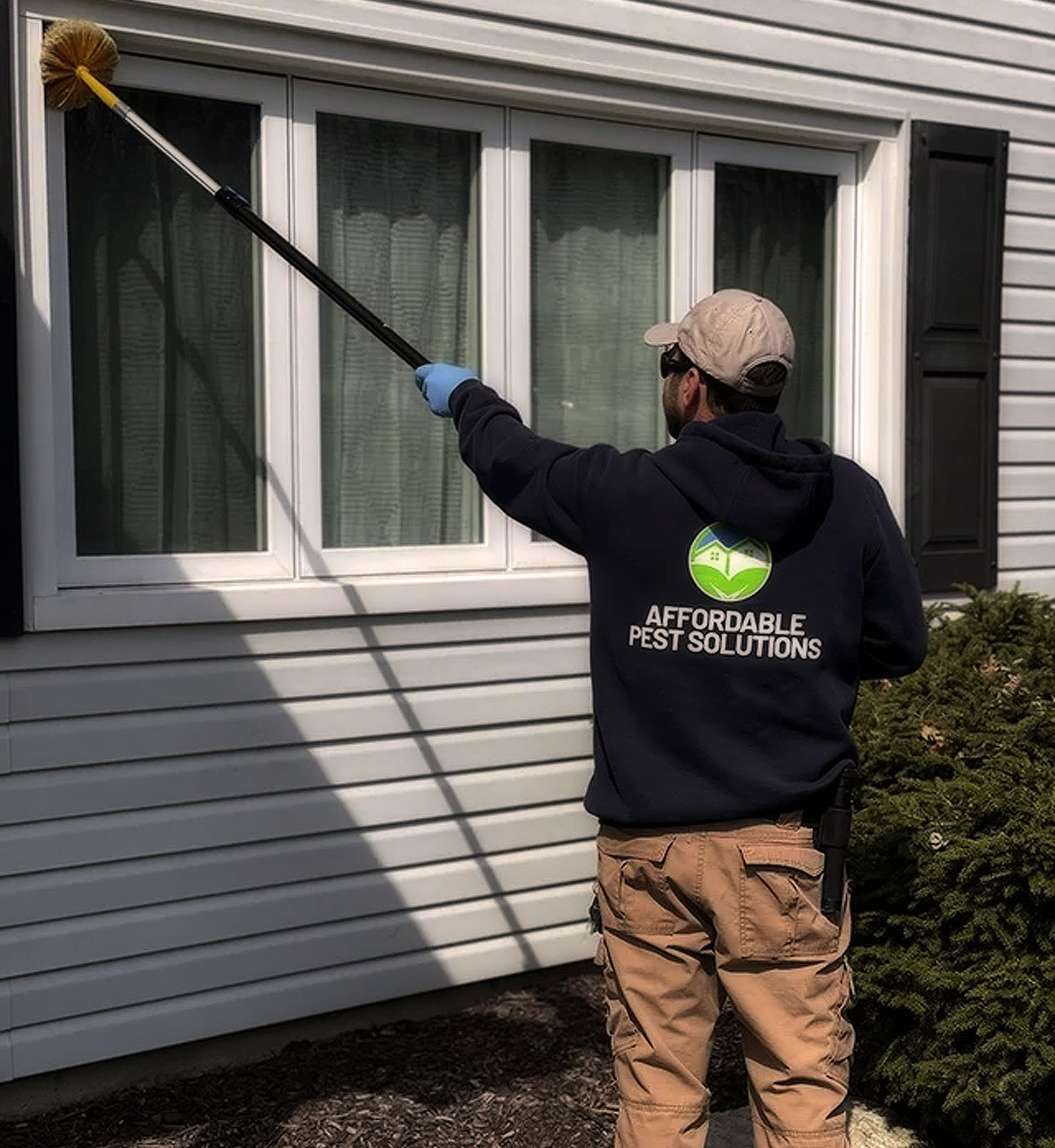
Outdoor living space has become a real extension of the home in Sussex County. Patios are larger than they were a decade ago. Fire pits stay in use deep into fall. Screened porches are no longer a luxury feature reserved for a few properties near the water. Families want decks where children can play barefoot, outdoor kitchens that stay clean, and backyards where guests are not swatting mosquitoes through dinner.
That picture is easy to imagine, but in practice, pest pressure often gets in the way. Sussex County has the kind of landscape that invites both people and pests outside. Wet areas support mosquitoes. Wooded lots harbor ticks. Gardens, mulch beds, and ornamental shrubs create shelter for ants, spiders, and stinging insects. In neighborhoods near marshland or retention ponds, insect activity can spike quickly with weather changes. One warm, damp stretch can turn a comfortable patio into a place no one wants to sit.
That is why Pest Control Services Sussex County homeowners choose for outdoor areas need to be more thoughtful than a one size fits all spray visit. Good outdoor pest management is not just about knocking down visible bugs. It is about understanding how people use the space, where pests are breeding or nesting, how children and pets move through the yard, and what level of intervention makes sense for the property.
Outdoor comfort depends on more than a quick treatment
A lot of homeowners first call for help after a bad experience. A child steps on yellowjackets hidden in a ground nest. Guests leave a barbecue early because mosquitoes are relentless. Someone notices carpenter ants near a deck post and starts wondering what has been happening inside the wood. Those moments feel sudden, but the conditions behind them usually built over time.
A skilled pest control technician starts by reading the property. That means more than identifying the insect in front of them. They look at drainage around the patio, tree cover over seating areas, heavy vegetation along fence lines, old wood stacks, standing water in planters, and gaps where insects move from landscape beds onto the structure. They also ask how the space is used. A backyard that hosts weekend parties needs a different plan than a mostly ornamental garden. A pool area with barefoot traffic calls for stricter control around stinging insects than a side yard no one enters often.
The best service plans tend to be layered. There may be habitat reduction, targeted treatments, monitoring, and seasonal follow up. It is less dramatic than a single heavy application, but it works better in the long run. Outdoor pest control is rarely about one heroic visit. It is about reducing pressure steadily so the yard becomes usable again.
Why Sussex County properties have their own pest patterns
Local conditions matter. Sussex County is not one uniform environment. Properties closer to the coast deal with humidity, wind shifts, sandy soils, and in some locations nearby marsh or standing water. Inland lots may back up to woods, fields, or creek corridors. Newer developments often have stormwater features that look tidy but can contribute to mosquito breeding if maintenance slips. Rural parcels can combine open lawn, brush, and outbuildings, which broadens the number of pest harborage zones.
Weather also drives timing. A mild winter may allow early insect activity. A wet spring usually means homeowners notice mosquitoes sooner and in greater numbers. Hot, dry periods can push some pests closer to irrigated landscapes and shaded living areas. Ticks often remain active longer than people expect, especially in leaf litter, shaded edges, and overgrown transition zones where turf meets woods.
This is one reason generic advice online falls short. You can buy a fogger or a hose end product at a hardware store, but if the real issue is water trapped in corrugated drain extensions, dense groundcover behind the patio, and untreated shaded resting areas, you will get weak results and a lot of frustration. Local experience matters because the patterns repeat. Season after season, technicians who work Sussex County neighborhoods see the same trouble spots and know where to look first.
The pests that most often disrupt outdoor living
Mosquitoes get the most attention, and for good reason. They turn evening use into a chore. They also expose the limits of do it yourself control. Homeowners often focus only on adult mosquitoes flying around the deck, when the bigger problem is where larvae are developing and where adults rest during the day. Thick shrubs, low branches, cluttered corners, and damp shaded beds can support populations even when the open lawn looks dry and clean.
Ticks create a different kind of concern. They do not usually announce themselves during a meal on the patio, but they affect how safe the entire yard feels. Families with dogs, children, or frequent garden activity often become uneasy once ticks are found near play areas or seating zones. Control tends to be most effective when paired with landscape edge management. The treatment matters, but so does reducing the brushy transition area where ticks thrive.
Stinging insects are another major issue in outdoor living spaces. Wasps, hornets, and yellowjackets take advantage of eaves, railings, play equipment, sheds, and underground cavities. The difficulty here is timing. Early season nest removal is usually simple. Late summer colonies can be larger, more defensive, and more dangerous, especially around food, trash, or sugary drinks at gatherings.
Ants are common around patios and pool decks. Some species are mostly a nuisance, trailing across pavers and outdoor dining areas. Others signal moisture or wood related issues nearby. Carpenter ants, in particular, are worth taking seriously because they often point to damp or damaged wood in steps, pergolas, or adjoining structures.
Spiders are rarely the top health concern, but they affect comfort and appearance. Webbing around furniture, light fixtures, grills, and pergola beams can make an otherwise well kept yard feel neglected. Usually, spider pressure is linked to the broader insect population. If the yard supports lots of flying and crawling prey, spiders will follow.
A proper service visit starts with inspection, not assumptions
Experienced providers do not begin by unloading a blanket treatment over every square foot of the yard. They inspect first, because different pest problems demand different tactics. A patio struggling with mosquitoes from neighboring vegetation is not handled the same way as a yard with active yellowjacket nests or carpenter ants in timber edging.
During inspection, the technician should be looking for both activity and conditions. Activity tells them what is present right now. Conditions explain why the pests are there and whether they are likely to return quickly. This is where many homeowners are surprised. The source is not always dramatic. It might be water pooled in a folded tarp, leaf filled window wells near a back seating area, a leaky hose bib that keeps a mulch bed wet, or a decorative planter saucer that holds enough water to support mosquito breeding.
Good inspection also includes communication. A homeowner may say, “The mosquitoes are worst near the grill after 6 p.m.” That detail helps. So does “we see wasps around the kids’ playset every August” or “the dog comes in with ticks after walking the fence line.” These details narrow the search and improve treatment placement.
Where professional pest control makes the biggest difference
There is a place for routine homeowner maintenance. Emptying standing water, trimming vegetation, and keeping outdoor dining areas clean all matter. But there are limits to what most people can safely and effectively do on their own.
Professional service becomes especially valuable in these situations:
- mosquito activity remains heavy even after you remove obvious standing water
- ticks are being found near play areas, pet paths, or garden beds
- yellowjackets, hornets, or wasps are nesting near doors, decks, or seating areas
- ants or other insects keep returning to the same hardscape or wood features
- you want a seasonal prevention plan rather than repeated reactive treatments
The difference is not only access to materials. It is judgment. An experienced technician knows when a problem calls for broad perimeter work, when it needs precise nest treatment, and when the real answer is environmental correction. They also understand timing. Treating too early can miss the pressure period. Treating too late can mean the population is already entrenched.
Outdoor pest control should protect people, pets, and pollinators
Homeowners often worry that effective treatment means aggressive treatment. That is not necessarily true. The better standard is targeted treatment. If a backyard includes pets, vegetable beds, pollinator plantings, a koi pond, or frequent child activity, the plan should reflect that.
This is where a professional approach earns its value. The technician can identify where treatment should not go, which products are suitable for the site, and how to minimize exposure while still addressing the pest. For example, broad applications over flowering plants are rarely the best answer if the issue is concentrated around shaded resting sites behind the patio. Likewise, a yellowjacket nest in the ground near a walkway may need direct action, while routine flying insect activity around lights may respond better to sanitation, bulb changes, and focused perimeter work.
A good company should also be candid about trade offs. If you have a heavily landscaped yard with dense plantings, water features, and bordering woods, your maintenance needs will be higher than those of a simple open lawn. There is no honest way around that. A sensible plan manages the risk and reduces pest pressure to a comfortable level, but no provider can promise a permanently insect free yard in a living landscape.
Seasonal timing matters more than most people think
One of the most common mistakes is waiting until the outdoor season is already being ruined. By the time mosquitoes are overwhelming a patio in midsummer, a lot of the control opportunity has passed. The same is true for large wasp nests that could have been handled much earlier with less risk and fuss.
Spring is often the best time to assess the property, correct obvious conditions, and begin preventive service where needed. Early summer is the period when many homeowners notice escalating activity. Late summer can bring the sharpest pressure from stinging insects and persistent mosquito populations, especially after rain. Fall is important for cleanup and for reducing overwintering harborage near the home and outdoor structures.
That seasonal rhythm should shape expectations. A property with ongoing service usually performs better than one treated only after a complaint. The goal is not to chase each outbreak from scratch. The goal is to stay ahead of it.
What homeowners can do between service visits
Outdoor pest control works best when the property itself is not helping the pests. The changes do not need to be expensive, but they do need to be consistent. Small maintenance habits make treatment more effective and stretch the value of each service visit.
A few of the highest value tasks include:
- dump standing water from containers, covers, toys, and planters after rain
- trim shrubs and groundcover away from decks, patios, and seating edges
- keep trash lids closed and clean food residue from grills and dining areas
- remove leaf litter and excess clutter from fence lines and shaded corners
- inspect playsets, railings, eaves, and sheds for early nest activity
These actions are simple, but their effect is real. I have seen two neighboring yards with similar layouts perform very differently because one homeowner stayed on top of water and vegetation while the other Pest Control Services Sussex County let dense growth and debris build up along every edge.
Choosing Pest Control Services Sussex County homeowners can trust
Not every provider approaches outdoor living spaces with the same level of care. Some companies are strong on general perimeter work but weak on outdoor habitat assessment. Others are excellent with mosquito reduction but less thorough with ticks or stinging insects. The best fit depends on your property and priorities.
Start by paying attention to how the company talks about the job. If the answer is just “we spray the yard,” keep asking questions. Outdoor pest control should involve inspection, explanation, and a plan tied to the site. Ask what pests they commonly treat in Sussex County yards, how they handle sensitive areas such as gardens or pet spaces, and what kind of follow up they recommend during peak season.
A company worth hiring should also set reasonable expectations. If someone promises complete elimination of every mosquito on a wooded lot bordering wetlands, that promise is not grounded in reality. A more credible provider will talk about reduction, pressure management, breeding site control, and repeat service intervals.
Another good sign is practical specificity. A technician who notes the heavy shade behind the retaining wall, the wet low spot near the fence, and the old stump attracting ant activity is paying attention. That kind of observation usually leads to better results than a generic treatment plan copied from house to house.
The backyard problems that look minor, until they are not
Some of the most expensive or disruptive outdoor pest issues begin with something small enough to ignore. A few ants near the outdoor kitchen. Wasps around a gutter corner. Mosquitoes that seem annoying only at dusk. In many cases, the issue can still be handled cleanly and efficiently at that stage. Delay changes the equation.
I remember one property where the homeowner had noticed yellowjackets “near the hydrangeas” for a couple of weeks but assumed they were just foraging. The nest was actually in the ground beside a stepping stone path used daily by grandchildren. By the time the activity became obvious, the colony was well established and aggressive. It was still manageable, but the risk was much higher than it needed to be.
The same pattern shows up with mosquitoes. Homeowners often tolerate them for too long, assuming the season is just unusually bad. Then a technician finds clogged drains, neglected containers behind the shed, and shrub cover so dense that adult mosquitoes can rest undisturbed all day. Once those conditions are corrected and a treatment program starts, the yard changes quickly. The lesson is not that every bug sighting demands a service call. It is that repeated patterns usually mean there is a solvable cause.
Outdoor living is part of home value now
People invest heavily in these spaces because they use them. A well built patio, pergola, pool surround, or screened porch adds daily enjoyment and supports resale appeal. Pest pressure undercuts that investment in a quiet but direct way. If a family avoids the yard from June through September, the square footage still exists, but it has lost much of its practical value.
That is why pest control should be viewed alongside irrigation, lighting, and landscape maintenance, not as an afterthought. It protects use. It protects comfort. In some cases, it also protects structures, especially when moisture loving insects or wood damaging pests are involved near outdoor features.
For Sussex County homeowners, the right service plan is rarely the most aggressive one. It is the one that fits the property, respects how the yard is actually used, and stays consistent through the season. When that happens, outdoor space starts functioning the way it was intended to. Meals last longer. Kids move around more freely. Guests notice the atmosphere, not the bugs.
Safe outdoor living does not come from luck. It comes from paying attention early, correcting conditions that attract pests, and working with a provider who understands local patterns well enough to act before minor problems become seasonal battles. That is the real value of professional Pest Control Services Sussex County residents rely on. It is not simply fewer pests. It is getting your yard back.
Affordable Pest Solutions LLC
Based in Budd Lake, New Jersey 07828
Service area: Sussex County, Morris County, and Warren County, New Jersey
+1 973-229-9547
FAQ About Pest Control Services Sussex County
What is included in a pest control service in NJ?
A visit generally starts with an inspection to identify the pest and assess activity, access points, and contributing conditions. The proposed service may include treatment, monitoring, exclusion recommendations, and follow-up. Ask which pests and areas are covered by the written quote.
How much does a pest controller charge in NJ?
Pricing depends on the pest, property size, severity of activity, and work required. A single treatment and an ongoing plan can have different costs and coverage. Request an inspection-based estimate that explains the included work, follow-up fees, and warranty terms.
How to prepare my home for pest control?
Ask for instructions specific to the planned service. The technician may need access to inspection areas and may ask you to move belongings or protect food and dishes. Mention pets, aquariums, and any household concerns beforehand. Follow the product label and the technician's instructions about leaving and re-entering treated areas.